
Pakistan is moving forward with one of its biggest economic decisions—selling its national airline, Pakistan International Airlines (PIA). The country’s government has confirmed that the PIA Sale is the first significant privatization plan in the last twenty years. This major step comes as part of the conditions attached to the International Monetary Fund (IMF) bailout package Big Update.
With Pakistan facing severe financial challenges and rising debt, the sale of PIA has become a crucial requirement for securing international financial support. The process has already attracted four major bidders, including the powerful Fauji Foundation, a business group linked to the Pakistani military under Army Chief General Asim Munir.
The final auction is scheduled for December 23, and its outcome is expected to shape the future of both Pakistan’s economy and its struggling national airline.
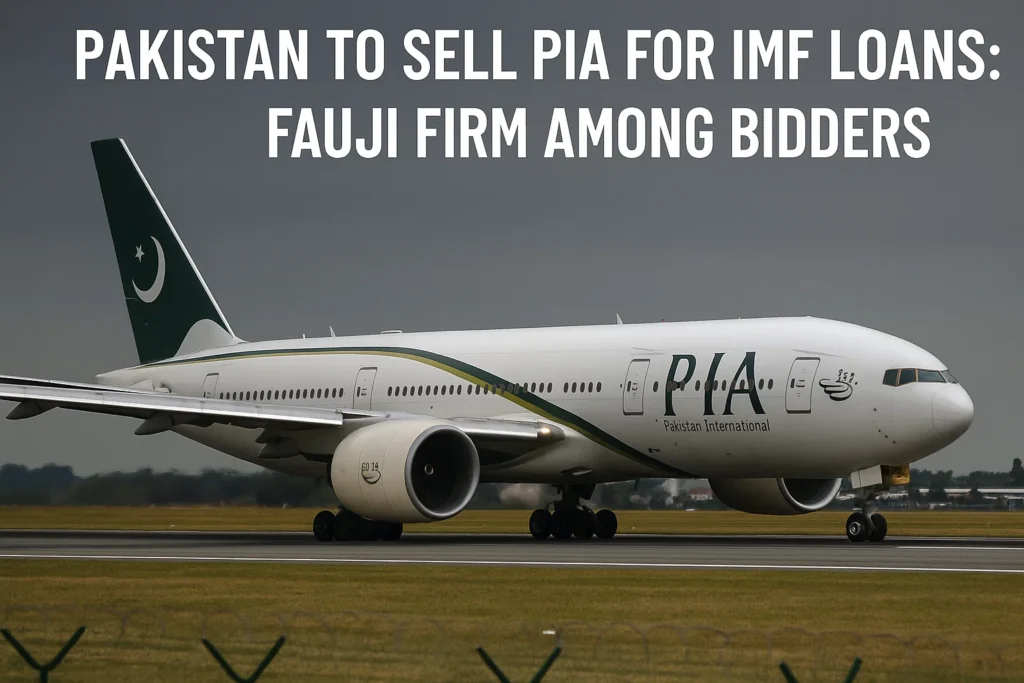
Why Pakistan Is Selling PIA
Pakistan is under massive economic pressure. Rising foreign debt, low foreign reserves, inflation, and slow economic growth have created a deep crisis. To stabilize its economy, Pakistan sought assistance from the IMF.
The IMF agreed to offer a bailout, but only if fulfilled certain reform and restructuring obligations. One of the strongest conditions was the privatization of loss-making state companies, and PIA was at the top of the list.
Why PIA Was Chosen for Privatization?
PIA has been facing major challenges for years:
- Huge financial losses
- Mismanagement and corruption
- Outdated fleet
- Poor service quality
- Declining international reputation
- Flight bans in important regions
The national carrier has accumulated billions in debt, and the government can no longer support its losses. Selling PIA is seen as a way to:
- Reduce government financial burden
- Improve airline efficiency under private ownership
- Attract foreign investment
- Fulfill IMF loan conditions
Who Are the Bidders for PIA?
According to reports, four business groups have submitted bids to buy PIA. The most notable among them is the Fauji Foundation, one of largest military-owned business companies. Led by General Asim Munir, it manages multiple industries including fertilizer, banking, cement, and healthcare.
List of Expected Bidders
- Fauji Foundation (Military-run business group)
- Local Private Airlines Consortium
- Pakistan-based Business Conglomerate
- Foreign Investor Group
All these bidders will participate in the final auction on December 23.
Why the Pakistan PIA Sale Matters
The sale of PIA is not just about one airline. It is deeply connected to Pakistan’s:
- Economic survival
- Relationship with the IMF
- Investment climate
- Aviation future
Restoring Economic Stability
Pakistan is heavily dependent on loans to keep its economy running. Fulfilling IMF conditions is essential to avoid bankruptcy. Selling PIA is expected to bring in much-needed funds and reduce government losses.
Improving Airline Performance
PIA has suffered from:
- Frequent flight delays
- Safety issues
- Bans in European markets
- Poor global ranking
Privatization may bring professional management and new investments that could help the airline return to global standards.
Political and Public Impact
Many view PIA as a symbol of national pride, so the sale has created mixed emotions. Some support privatization because the airline has become a large financial burden, while others fear job losses and military influence in the economy.
Economic Background Behind the Sale
Pakistan’s economic situation has been worsening for several years. The country is:
- Struggling with foreign debt
- Facing IMF pressure
- Unable to support failing state companies
- Dependent on remittances and foreign aid
Selling PIA is expected to provide financial breathing space and improve international confidence in Pakistan’s economic reforms.
IMF’s Role
The IMF has clearly stated that Pakistan must:
- Cut government spending
- Privatize loss-making institutions
- Increase transparency
- Implement structural reforms
Without fulfilling these requirements, Pakistan cannot access further loan installments.
PIA’s Major Challenges Before the Sale
PIA has been facing multiple issues that pushed it toward privatization:
Financial Losses
PIA has reported heavy losses for more than a decade, costing the government billions of rupees annually.
Poor Management
Political hiring, corruption, and lack of professional leadership have damaged the airline’s performance.
Outdated Fleet
Many aircraft need upgrades or replacement, which requires huge investment.
International Bans
PIA faced flight restrictions in Europe and the UK due to safety and pilot licensing concerns.
Key Details at a Glance
| Topic | Details |
|---|---|
| Focus Keyword | Pakistan PIA Sale |
| Reason for Sale | IMF bailout condition |
| Auction Date | December 23 |
| Number of Bidders | Four |
| Major Bidder | Military-run Fauji Foundation |
| Economic Goal | Reduce debt & improve financial stability |
| Airline Reason | Heavy losses, mismanagement, bans |
What Happens After the Sale?
If the sale is completed successfully, the new owners are expected to:
- Invest in modern aircraft
- Improve management and services
- Restore PIA’s international reputation
- Expand profitable routes
- Increase transparency and efficiency
The government hopes the privatization will become a turning point for the airline industry in Pakistan.
Conclusion
The Pakistan PIA Sale marks a major moment in the country’s economic history. Forced by IMF conditions and rising financial challenges, the government has chosen privatization as the only viable path to rescue its economy and reform its national airline.
With four powerful bidders, including the military-linked Fauji Foundation, the auction on December 23 is expected to be a decisive event. The future of PIA—and Pakistan’s economic direction—may largely depend on the outcome of this high-stakes sale.
more :- Pakistan